The work behind the perspective
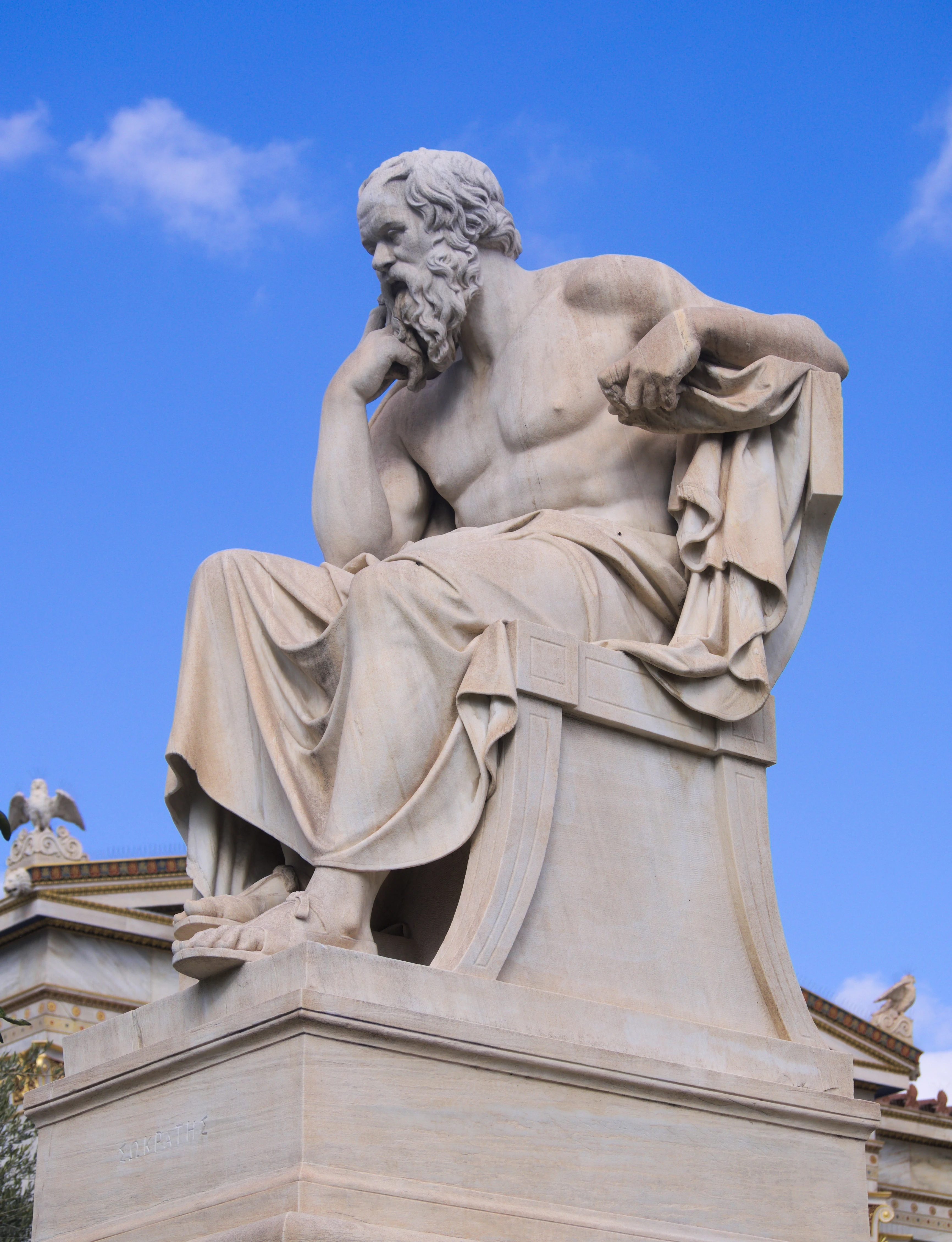
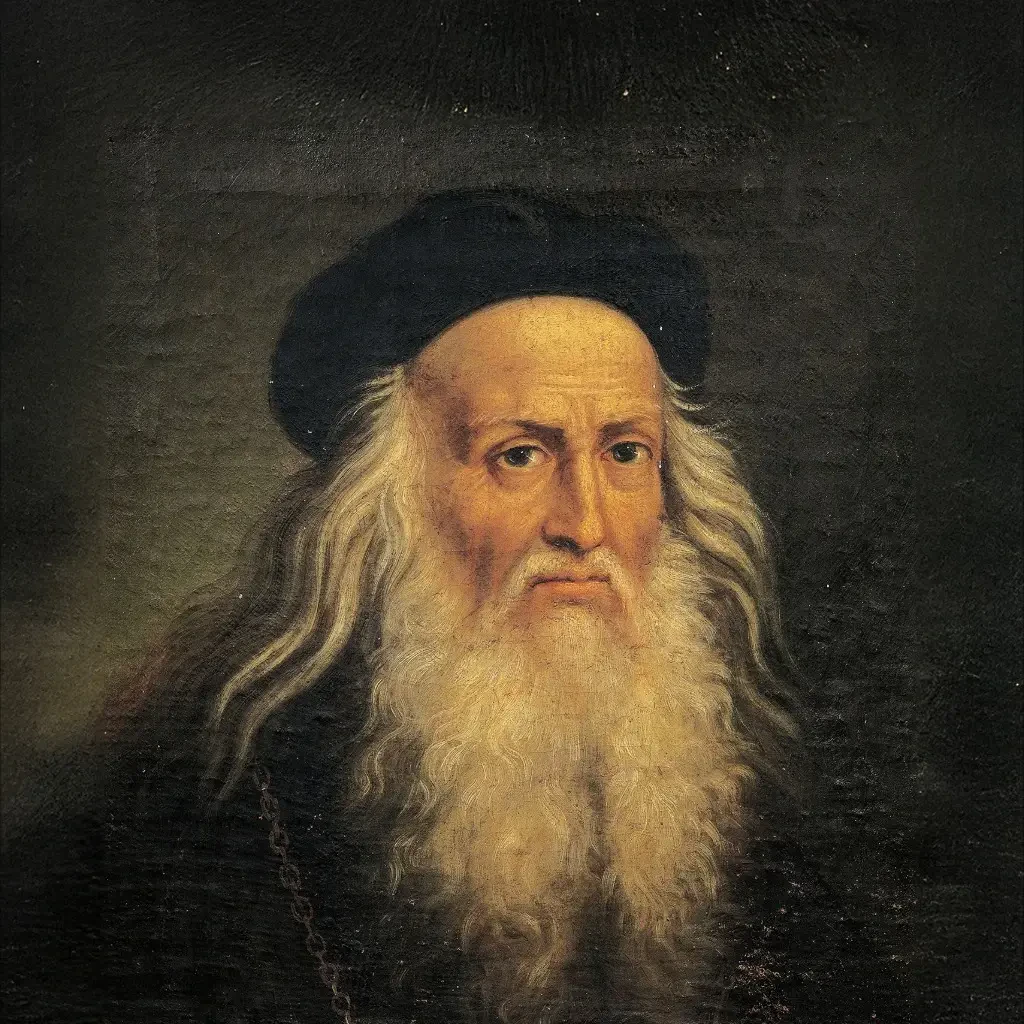
Aristotle
Ancient Greek philosopher and polymath; Founder of the Lyceum and the Peripatetic school; Architect of Aristotelian logic and foundational sciences
- Systematic logic
- Metaphysics and theory of knowledge
- Natural science and classification
- Practical ethics and political theory
- Rhetoric and aesthetics
About Aristotle
Aristotle - Biography
Aristotle (c. 384–322 BCE) was a student of Plato and tutor to Alexander the Great who founded the Lyceum in Athens and developed a comprehensive system spanning logic, natural science, ethics, politics and rhetoric. His works became the core of the Aristotelian tradition that dominated medieval Islamic and Christian scholastic thought and influenced subsequent developments in science and philosophy.
Aristotle was born around 384 BCE in the Macedonian city of Stagira; his father Nicomachus served as a physician to the Macedonian court, which likely influenced Aristotle’s early interest in biology and medicine. At about seventeen he went to Athens to join Plato’s Academy, where he studied and worked for roughly twenty years and acquired broad training in philosophy and the sciences. After leaving the Academy, Aristotle spent time in Asia Minor and on Lesbos, and subsequently became tutor to the young Alexander the Great while connected to the Macedonian court. During this period he conducted empirical investigations in biology and natural history and led philosophical circles in places such as Assos and Mytilene. In about 335 BCE Aristotle returned to Athens and established his own school, the Lyceum, where he taught, directed research, and composed much of the material that survives as his corpus. After Alexander’s death in 323 BCE, anti‑Macedonian sentiment in Athens led Aristotle to leave the city; he retreated to Chalcis on Euboea, where he died in 322 BCE, reportedly of natural causes.
Learn from Aristotle when you're...
- Learning rigorous argumentation and formal reasoning
- Seeking foundational clarity
- Designing classification schemes or conducting comparative empirical description
- Developing moral character and making practical ethical decisions
- Addressing questions about the aims and organization of communities or institutions
- Interpreting or producing persuasive communication and analyzing literary or rhetorical form
- Formulating explanatory models that appeal to multiple kinds of causes
- Understanding human cognition, perception, motivation, and behavior from a teleological/functional perspective
What can you ask about Aristotle's work?
In Get Mentors, Aristotle can hold one of the five seats on your Chat board. Ask Aristotle's seat or the whole board a question and receive perspectives grounded in published work, with every answer cited. Separately, one idea arrives each morning from mentors selected for your focus.
Best for these goals
- ✓Systematic Logic
- ✓Metaphysics And Theory Of Knowledge
- ✓Natural Science And Classification
- ✓Practical Ethics And Political Theory
Core frameworks
- •Pursue eudaimonia through the exercise of virtue in accordance with reason
- •Cultivate virtues by habituating to the golden mean between extremes
- •Develop practical wisdom (phronesis) to deliberate well about what promotes the good life
- •Systematic Logic
Sample questions
- “Which Aristotle framework applies to my current goal?”
- “What would Aristotle's published work suggest I consider?”
- “How does this Aristotle idea apply to my situation?”
- “What blind spot would this mentor framework help me notice?”
Ask about Aristotle's published frameworks, pressure-test a decision, or put the question to your whole board and see where the seats disagree.
Similar Mentors
More mentors like Aristotle


Give Aristotle a seat on your board
Ask this Chat board seat about Aristotle's published work. Daily Ideas are selected separately for your focus. 7-day free trial on the annual plan, or $7.99/month.
Take your seat