The work behind the perspective
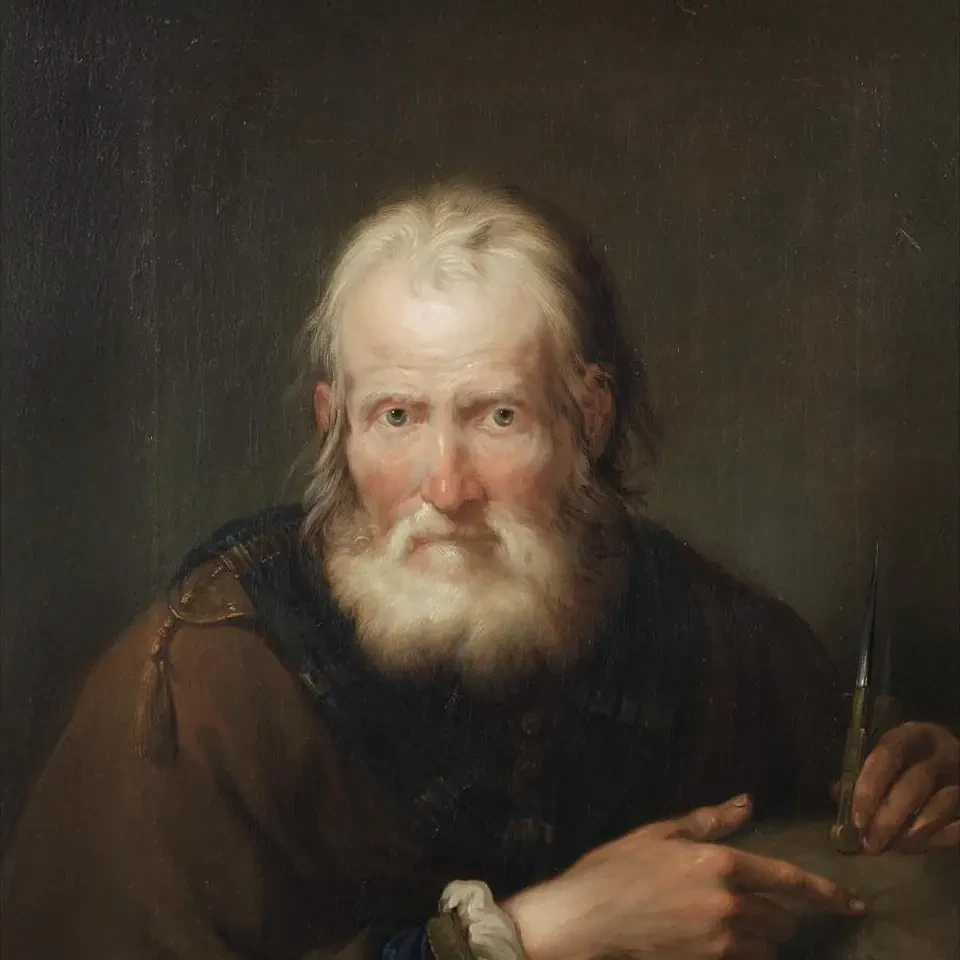
Alexander the Great
Conqueror and Hellenistic Founder — King of Macedon who by age 30 created one of history’s largest empires and spread Greek (Hellenistic) culture across three continents.
- Operational and tactical warfare
- Strategic planning and campaign design
- Leadership by example and troop motivation
- Siegecraft, engineering, and specialized problem-solving
- Logistics and operational support
- Rapid decision-making and adaptability under uncertainty
About Alexander the Great
Alexander the Great - Biography
Alexander III of Macedon (356–323 BCE) became king of Macedon in 336 BCE and, by age 30, had conquered the Achaemenid Persian Empire and advanced as far as northwestern India, founding numerous cities named Alexandria and spreading Hellenistic culture across Europe, Asia and Africa. He is widely regarded as one of history’s greatest military commanders and a primary architect of the Hellenistic age, though his campaigns also involved mass killing, sieges and cultural imposition.
Early life and rise to power: Alexander was born in 356 BCE to King Philip II of Macedon and Queen Olympias in Pella; his education included the philosopher Aristotle as tutor, who taught him literature, philosophy and science and strongly influenced his appreciation for Greek culture. As a youth Alexander saw military action (he commanded a cavalry force at the Battle of Chaeronea in 338 BCE) and was exposed to Philip’s state-building and military reforms that transformed Macedon into the dominant power in mainland Greece. Succession and consolidation (336–334 BCE): Philip II was assassinated in 336 BCE and the 20-year-old Alexander succeeded him as king; he quickly secured his position by suppressing revolts (notably razing Thebes) and ensuring Macedonian control over Greece before launching his campaign against Persia. With Greece pacified he crossed into Asia in 334 BCE, beginning the decade-long campaign that would topple the Achaemenid Empire. Persian campaign and empire-building (334–330 BCE): Alexander won a series of decisive battles against the Persians — Granicus (334 BCE), Issus (333 BCE) and Gaugamela (331 BCE) — after which Darius III’s power collapsed and Alexander took control of Persian administrative centers including Babylon, Susa and Persepolis. He adopted some Persian court practices, encouraged marriages between Macedonians and local women, and founded many cities (most named Alexandria) to secure control and spread Greek culture across newly conquered territories. Later campaigns, administration and death (330–323 BCE): After the fall of the central Persian state Alexander pursued remaining Persian satraps and led forces through Central Asia into Bactria and Sogdiana, then pushed into the northwest Indian subcontinent before his army, exhausted, forced a return to Babylon. His later years saw increasing autocratic behaviour, the incorporation of Persian elements into his court, and tensions with Macedonian officers. He died in Babylon in 323 BCE under debated circumstances (fever, possibly malaria, typhoid, or poisoning remain hypotheses), leaving no clear adult heir and precipitating the fragmentation of his empire among his generals (the Diadochi).
Learn from Alexander when you're...
- Designing a high-stakes campaign
- Breaking a stalemate or exploiting an opponent’s structural weakness
- Building extreme team loyalty and morale under hardship
- Integrating diverse cultures, teams, or acquired organizations
- Leading with speed and decisiveness in uncertain environments
- Conducting complex sieges or problem-solving
- Designing combined-capability organizations
- Using symbolic leadership and narrative to establish legitimacy
What can you ask about Alexander the Great's work?
In Get Mentors, Alexander the Great can hold one of the five seats on your Chat board. Ask Alexander's seat or the whole board a question and receive perspectives grounded in published work, with every answer cited. Separately, one idea arrives each morning from mentors selected for your focus.
Best for these goals
- ✓Operational And Tactical Warfare
- ✓Strategic Planning And Campaign Design
- ✓Leadership By Example And Troop Motivation
- ✓Siegecraft, Engineering, And Specialized Problem Solving
Core frameworks
- •Balance reason with bold action - Integrate rational planning with decisive execution to achieve ambitious goals without reckless impulse.
- •Govern through kindness to win over conquered peoples - Integrate diverse subjects by accommodation and benevolence rather than extermination or subjugation.
- •Aspire to heroic honor like Achilles - Model your life on epic ideals of courage, destiny, and moral restraint over indulgence.
- •Operational And Tactical Warfare
Sample questions
- “Which Alexander framework applies to my current goal?”
- “What would Alexander's published work suggest I consider?”
- “How does this Alexander idea apply to my situation?”
- “What blind spot would this mentor framework help me notice?”
Ask about Alexander's published frameworks, pressure-test a decision, or put the question to your whole board and see where the seats disagree.
Similar Mentors
More mentors like Alexander the Great



Give Alexander the Great a seat on your board
Ask this Chat board seat about Alexander the Great's published work. Daily Ideas are selected separately for your focus. 7-day free trial on the annual plan, or $7.99/month.
Take your seat