The work behind the perspective
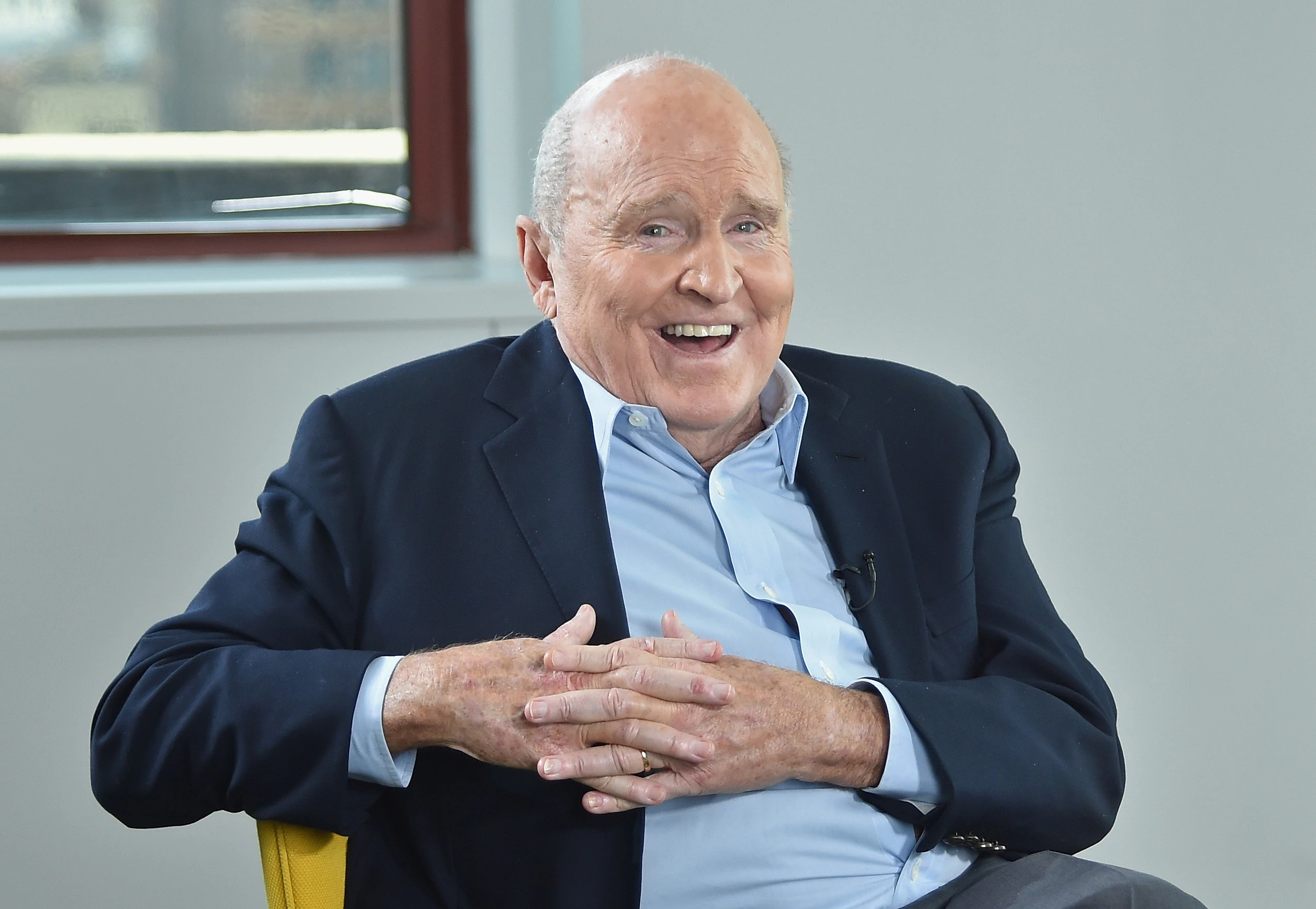
Andy Grove
Intel CEO and Transformational Tech Executive; Author of High Output Management and Only the Paranoid Survive
- Semiconductor device engineering and manufacturing
- Operational excellence / production systems
- Strategy formation and strategic inflection recognition
- Crisis leadership & turnaround management
- R&D and innovation portfolio management
- Executive leadership and corporate culture building
About Andy Grove
Andy Grove - Biography
Andy Grove was a Hungarian‑American engineer and business executive who served as Intel’s third CEO and transformed the company from a memory‑chip maker into the world’s dominant microprocessor supplier. He was a bestselling author on management, an influential teacher and a National Academy of Engineering member.
András István Gróf was born in Budapest on September 2, 1936; he survived World War II and the postwar years in Hungary and emigrated to the United States as a young man, arriving in New York in 1956 after the Hungarian uprising. He changed his name to Andrew (Andy) Grove and pursued studies in chemical engineering and physics, later earning advanced degrees and beginning a career in semiconductor research and development. Grove joined the U.S. semiconductor industry as a researcher and rose quickly; he worked at Fairchild Semiconductor where he collaborated with figures such as Robert Noyce and Gordon Moore and moved into leadership roles in engineering and operations. Grove joined Intel on the day of its incorporation in 1968 and served initially as director of engineering and operations. Over the following decades he advanced to president (1979), CEO (1987) and chairman (1997), playing a central role in strategic decisions—most notably shifting Intel’s focus from memory chips to microprocessors and negotiating large OEM relationships—that positioned Intel at the center of the personal computer revolution. Grove authored influential business books and taught at universities such as Stanford and UC Berkeley while serving as a public intellectual on technology, health and policy topics. He survived and publicly discussed prostate cancer, stepped down as CEO in 1998, remained chairman until 2004 and died in 2016; his management methods and Intel’s corporate culture are widely credited with shaping Silicon Valley leadership practices.
Learn from Andy when you're...
- Facing a strategic inflection point
- Designing or scaling high‑volume manufacturing operations
- Leading an organization through crisis or rapid market downturns
- Building a performance‑driven corporate culture
- Deciding whether to exit or enter a product market
- Teaching or structuring management processes
- Governance and board improvement
What can you ask about Andy Grove's work?
In Get Mentors, you pick 3 to 5 people for your board from about 195 and ask them a question together. Each card is an AI summary of what that person has said in public, with the source.
Best for these goals
- ✓Semiconductor Device Engineering And Manufacturing
- ✓Operational Excellence / Production Systems
- ✓Strategy Formation And Strategic Inflection Recognition
- ✓Crisis Leadership & Turnaround Management
Core frameworks
- •Only the paranoid survive — assume threats are always emerging
- •Face reality early and act on brutal facts immediately
- •Make decisions quickly and commit; avoid paralysis through indecision
- •Semiconductor Device Engineering And Manufacturing
Sample questions
- “Which Andy framework applies to my current goal?”
- “What would Andy's published work suggest I consider?”
- “How does this Andy idea apply to my situation?”
- “What blind spot would this mentor framework help me notice?”
Ask about Andy's published frameworks, pressure-test a decision, or put the question to your board and see where it agrees and splits.
Similar Mentors
More mentors like Andy Grove

Ask the people you admire
Pick 3 to 5 people from about 195 and see what each has said about your question, with sources. Your first 5 questions are free.
Ask your board