Mentor news
Demis Hassabis
Google shakes up AI leadership as DeepMind CEO Demis Hassabis shifts role - The Economic Times
The news, in context
What happened—and the history that makes it meaningful
What happened
The development now
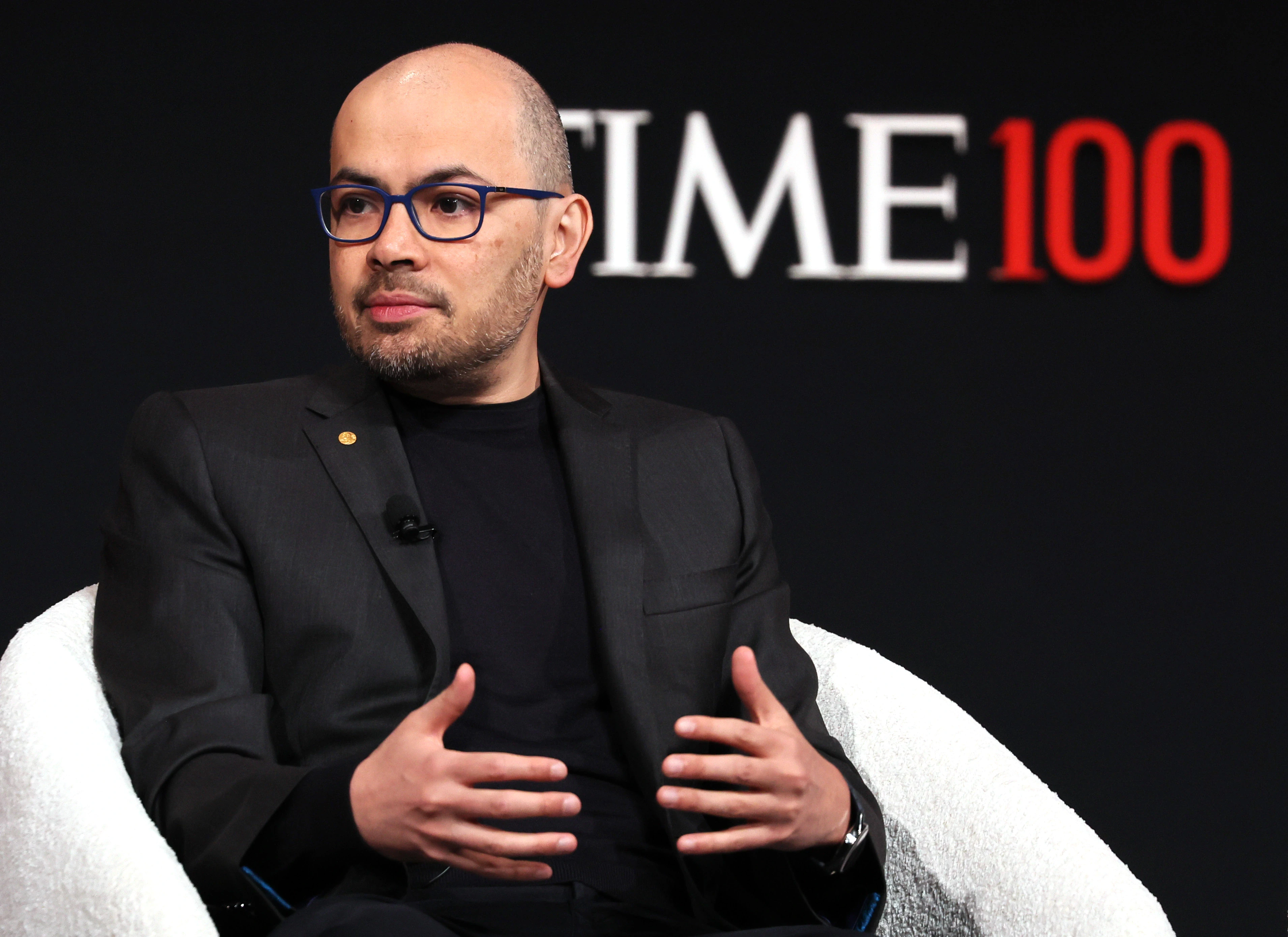
Demis Hassabis, the co-founder and CEO of DeepMind, has transitioned to the role of chief scientist as part of a leadership shake-up at Google. This change comes as Koray Kavukcuoglu steps in to manage the daily operations of DeepMind. The significance of this event lies in the ongoing evolution of AI leadership at Google, especially following Hassabis's recent recognition with the 2024 Nobel Prize in Chemistry for his groundbreaking work in AI and protein structure prediction.
Who Demis Hassabis was
The background that makes this matter
Demis Hassabis is a prominent British computer scientist and entrepreneur, best known for co-founding DeepMind, a pioneering AI company that was acquired by Google in 2014. His work has led to significant advancements in artificial intelligence, including the development of AlphaGo, which famously defeated a world champion Go player, and AlphaFold, which revolutionized the field of computational biology by accurately predicting protein structures. Hassabis's background includes a childhood as a chess prodigy, a degree in Computer Science from the University of Cambridge, and a PhD in cognitive neuroscience, reflecting his deep interest in human cognition and AI.
The boundary
What this comparison cannot tell us
The absence of earlier public material means there is no historical context to compare with the current leadership change at DeepMind.
What to watch next
Watch for how the leadership transition at DeepMind influences its ongoing projects and research directions, particularly in light of its recent achievements in AI.
A question worth asking
What are your priorities as chief scientist now that you are stepping back from daily operations at DeepMind?
Get Mentors did not produce the original reporting. Source attribution and publication date are preserved so you can inspect the evidence directly.