Mentor news
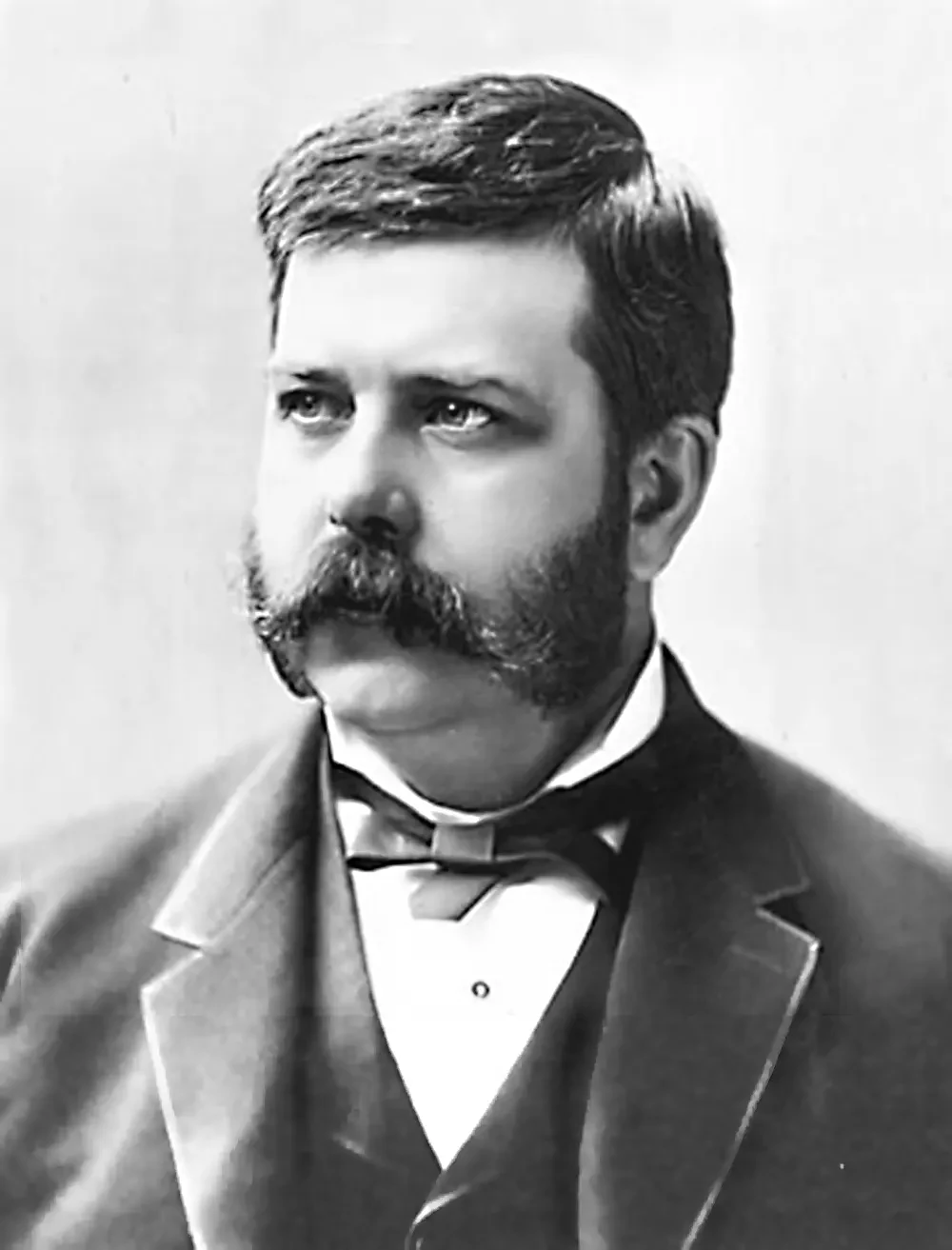
George Westinghouse
Cameco-backed Nuclear firm Westinghouse confidentially files for U.S. IPO
The news, in context
What happened—and the history that makes it meaningful
What happened
The development now
Reuters reports: The nuclear technology and services supplier, which is jointly owned by Cameco and Brookfield Renewable Partners, is one of the few remaining lines of the original business founded in 1886 by George Westinghouse, who commercialized alternating current.
Who George Westinghouse was
The background that makes this matter
George Westinghouse Jr. was born on October 6, 1846, in Central Bridge, New York, and learned machining and mechanical skills in his father’s shop rather than by extended formal schooling; he briefly attended Union College but left to pursue practical invention and business projects. As a young man he produced early inventions including a rotary steam engine and devices for railroads, displaying both mechanical talent and entrepreneurial drive from his teens. In 1869 Westinghouse founded the Westinghouse Air Brake Company (WABCO) after inventing and patenting an automatic air‑brake system for railroads, a breakthrough that greatly improved train safety and became widely adopted by the railroad industry. The commercial success of the air brake provided capital and credibility that enabled Westinghouse to expand into other industrial fields and to found additional companies. In the 1880s Westinghouse turned his attention to electrical power distribution and became the leading American proponent of Nikola Tesla’s alternating‑current (AC) patents, buying rights to Tesla’s AC motor and employing Tesla to develop AC systems suitable for commercial use. Westinghouse Electric, founded in 1886, competed fiercely with Thomas Edison’s direct‑current (DC) interests in what contemporaries called the “war of currents,” culminating in high‑profile demonstrations (including lighting the 1893 World’s Columbian Exposition with AC) that helped establish AC as the dominant long‑distance power transmission system.
The earlier story
How the institution got here
A relevant earlier public story about George Westinghouse explains that Confident in AC's future, Westinghouse launched the company, growing it to employ 50,000 and reaching $120 million net worth within a decade. Visionary leadership can build industry-leading companies.
Past and present
What the history helps explain
The current report concerns an institution George Westinghouse helped create, not a decision made by George Westinghouse. Its survival and return to public markets can be compared with the challenges of building and financing the original enterprise, while keeping the two eras distinct.
The boundary
What this comparison cannot tell us
George Westinghouse died before this event and had no role in the current decision. The comparison does not establish the motives of today’s executives, causation, or an exact prediction.
What to watch next
Watch the measurable results of this decision and whether the visible tradeoff becomes durable.
A question worth asking
What does the institution George Westinghouse built retain from its founding era, and what has changed under today’s owners and leaders?
Get Mentors did not produce the original reporting. Source attribution and publication date are preserved so you can inspect the evidence directly.