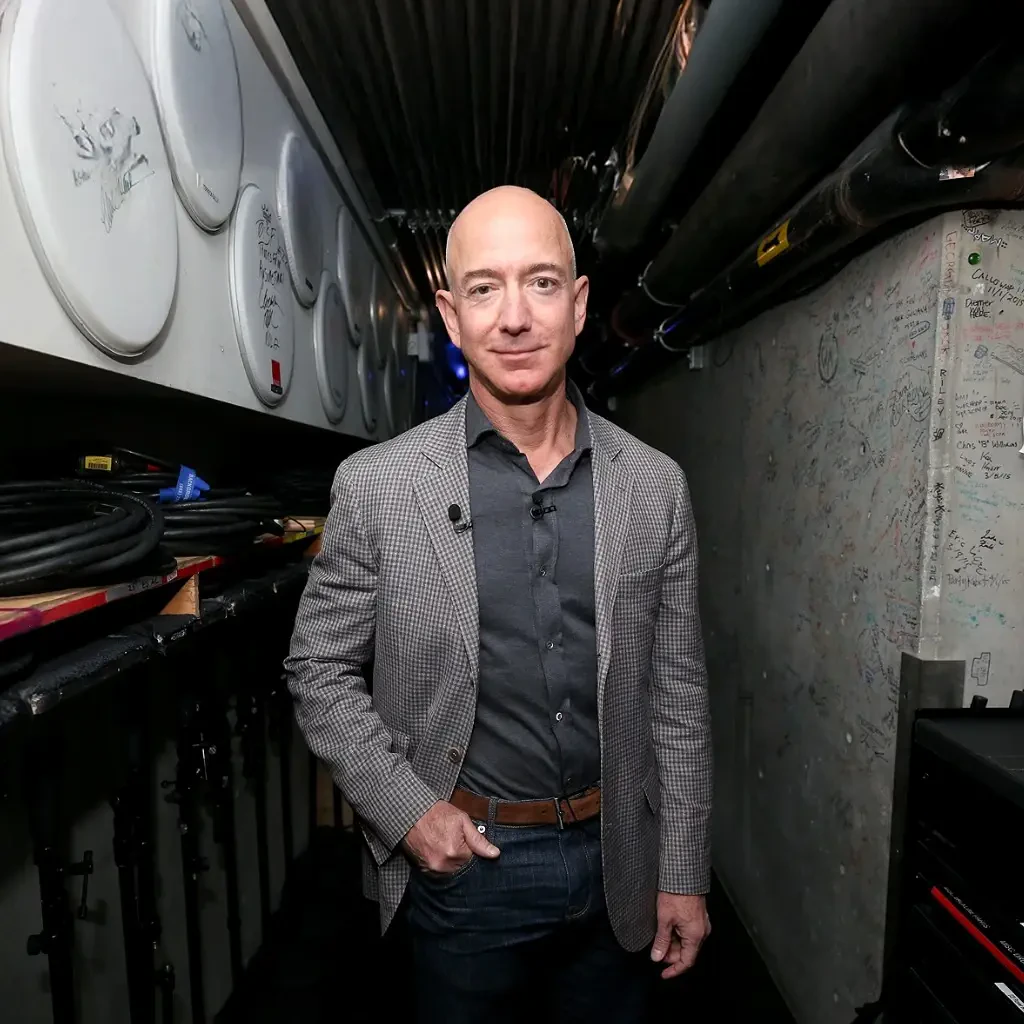
Mentor news
Jeff Bezos
Bezos Earth Fund, Re:wild launch $200 million drive to save species from extinction
The news, in context
What happened—and the history that makes it meaningful
What happened
The development now
The Bezos Earth Fund, founded by Jeff Bezos, has partnered with Re:wild to launch a $200 million initiative aimed at saving critically endangered species. This significant commitment is part of the Phoenix Species Project, which seeks to support the recovery of 100 species across 30 countries through collaborative conservation efforts. This event is particularly meaningful now as biodiversity loss accelerates globally, highlighting the urgent need for conservation funding and action.
Who Jeff Bezos was
The background that makes this matter
Jeff Bezos, born on January 12, 1964, is the founder of Amazon.com, which he launched in 1994. Under his leadership, Amazon transformed from an online bookstore into the world's largest e-commerce and cloud computing company. Bezos served as CEO until 2021 and is currently the executive chair. In addition to Amazon, he founded Blue Origin in 2000 to advance space exploration and purchased The Washington Post in 2013, further diversifying his interests and influence.
The boundary
What this comparison cannot tell us
The absence of earlier public material means we cannot draw direct comparisons between past initiatives and this current event, nor can we assess how Bezos's previous actions may have influenced this new conservation effort.
What to watch next
Watch for updates on the specific species targeted by the Phoenix Species Project and the outcomes of the conservation efforts in the coming years.
A question worth asking
What inspired you to focus on biodiversity and endangered species through the Bezos Earth Fund?
Sources covering this event
These reports were consolidated into one canonical explainer so readers and search engines do not have to navigate duplicate pages.
Get Mentors did not produce the original reporting. Source attribution and publication date are preserved so you can inspect the evidence directly.