Mentor news
Naomi Osaka
Rybakina survives scare as Gauff, Osaka race into Toronto quarters
The news, in context
What happened—and the history that makes it meaningful
What happened
The development now
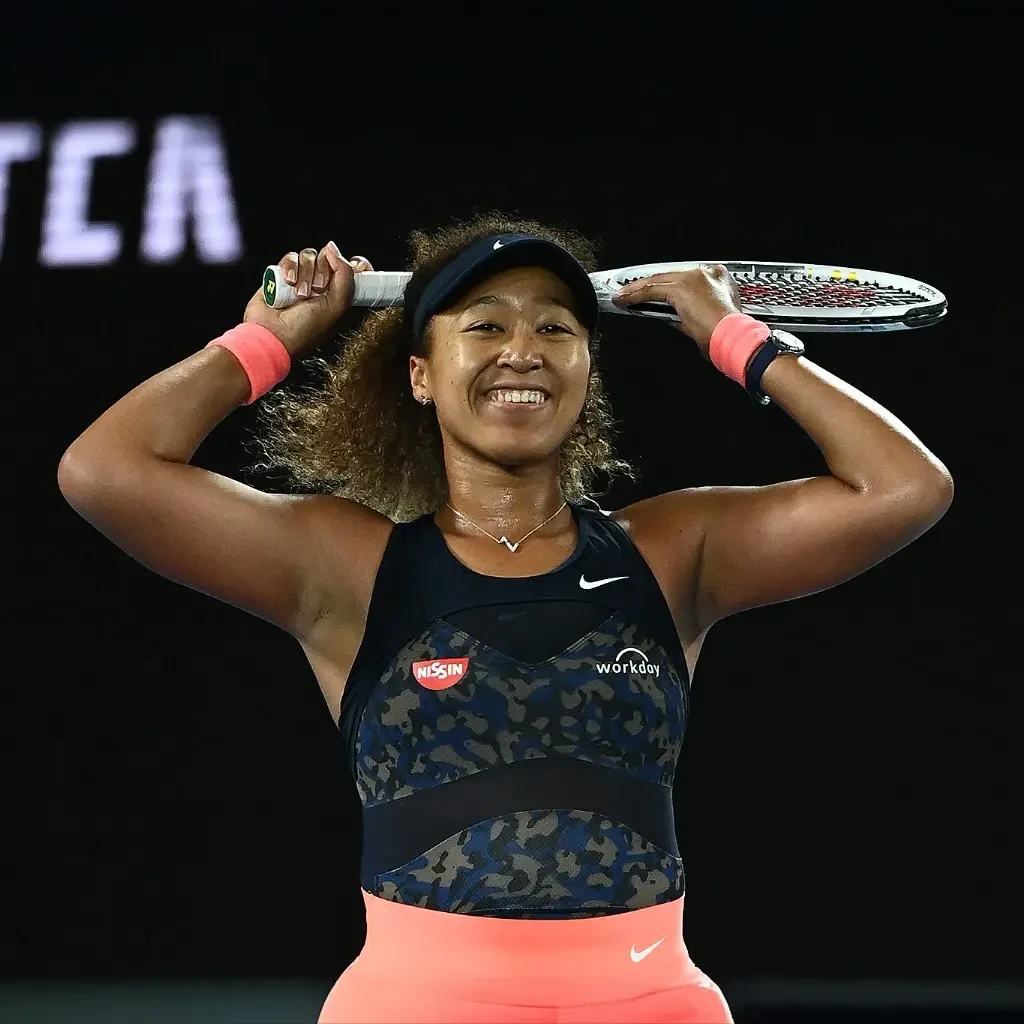
Naomi Osaka has advanced to the quarterfinals of the Toronto Open after defeating Canadian player Leylah Fernandez. This victory is significant as it marks Osaka's continued return to form following her maternity leave and her ongoing commitment to mental health advocacy in sports.
Who Naomi Osaka was
The background that makes this matter
Naomi Osaka is a prominent Japanese professional tennis player, celebrated for her achievements as a four-time Grand Slam champion. She gained international fame by winning major titles at the US Open in 2018, the Australian Open in 2019, the US Open again in 2020, and the Australian Open in 2021. Known for her powerful playing style and mental resilience, Osaka has also become a leading voice for mental health awareness, particularly in the high-pressure environment of professional sports.
The earlier story
How the institution got here
Osaka's career took off dramatically when she won her first Grand Slam title at the 2018 US Open, where she defeated her idol, Serena Williams, in a match that was marked by controversy. This victory not only made her the first Japanese player to win a major title but also positioned her as a significant figure in tennis, capable of handling pressure and controversy with grace. Her journey has been characterized by her ability to perform under stress and her commitment to addressing mental health issues, which she has openly discussed in various forums.
Past and present
What the history helps explain
The current event of Osaka reaching the quarterfinals in Toronto can be seen as a continuation of her journey since her breakthrough at the 2018 US Open. While her early career was defined by her rapid rise and the pressures that came with it, her recent performances reflect her resilience and dedication to both her sport and mental health advocacy. However, the challenges she faced during her hiatus from the sport due to mental health concerns and maternity leave highlight a different aspect of her career that contrasts with her earlier successes.
The boundary
What this comparison cannot tell us
This comparison cannot establish a direct cause-and-effect relationship between her past achievements and her current performance, nor can it predict future outcomes based on her historical context.
What to watch next
Watch for Osaka's performance in the upcoming matches at the Toronto Open, as her continued success could signal a strong return to the top of the sport after her maternity leave.
A question worth asking
What strategies do you use to maintain your mental health while competing at such a high level?
Get Mentors did not produce the original reporting. Source attribution and publication date are preserved so you can inspect the evidence directly.